Uncategorized

Uncategorized

Compliance Awareness in Food Cargo Logistics

Food cargo logistics operates within a regulated environment, particularly when shipments cross international borders. While regulatory approvals are not the responsibility of logistics providers alone, awareness of compliance requirements is essential. Compliance awareness begins with understanding handling expectations. Food cargo requires appropriate packaging, transport conditions, and delivery planning. Documentation flow is another critical factor. Incomplete or delayed paperwork can slow down cargo movement even when transport is available. In the UK, domestic transport must also align with road safety and operational standards. This includes vehicle suitability, routing discipline, and delivery practices. Nadola Enterprises Travel and Logistics approaches logistics coordination with an understanding of this regulatory landscape. We work alongside clients and service partners to ensure that logistics arrangements are planned responsibly. For importers, the key is collaboration. Compliance works best when logistics partners, cargo owners, and agents communicate clearly and plan ahead.

Uncategorized

Supporting SMEs with Practical Logistics Solutions

Small and medium-sized enterprises often face unique challenges when managing logistics. Unlike large corporations, SMEs may not have dedicated logistics teams or established supply chain systems. This makes clarity and practicality especially important. SMEs benefit most from logistics partners who offer clear processes, realistic timelines, and straightforward communication. For African food retailers, restaurants, and independent distributors, logistics reliability can directly affect business operations. Delays or miscoordination can impact stock availability and customer satisfaction. SME logistics support should focus on repeatable processes. Rather than reinventing logistics arrangements for every shipment, businesses benefit from structured approaches that can be refined over time. At Nadola Enterprises Travel and Logistics, we work with SMEs to build logistics arrangements that match their scale and growth plans. Our focus is on coordination rather than complexity. For SMEs entering or expanding within the UK market, having the right logistics partner can make a meaningful difference.

Uncategorized

Why UK-Based Transport Matters After Cargo Arrival

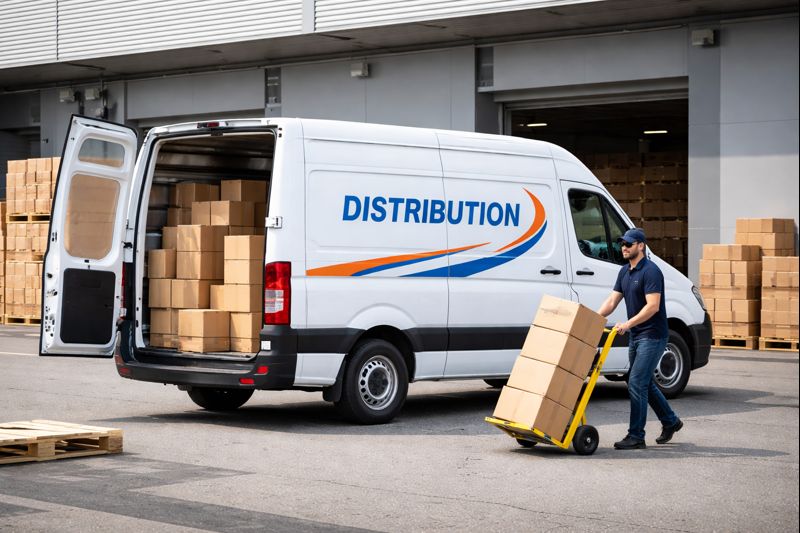
Many importers focus heavily on getting cargo into the UK, but overlook what happens next. Domestic transport and distribution are just as important as international movement. Once cargo arrives in the UK, it must be moved efficiently to its final destination. This may involve delivery to warehouses, retailers, wholesalers, or business premises. Delays at this stage can disrupt supply chains and create unnecessary storage or handling issues. Having UK-based transport capacity available at the right time is critical. UK transport planning should consider factors such as delivery windows, routing, vehicle availability, and coordination with receiving parties. Without this planning, cargo can sit idle even after arrival. Nadola Enterprises Travel and Logistics supports UK transport and distribution using a combination of in-house vehicles and partner fleets. This allows us to manage delivery schedules while scaling capacity when required. For importers, the takeaway is simple. International logistics does not end at arrival. Domestic transport should be planned as part of the overall logistics strategy.

Uncategorized

The Role of Freight Coordination in Reducing Delays

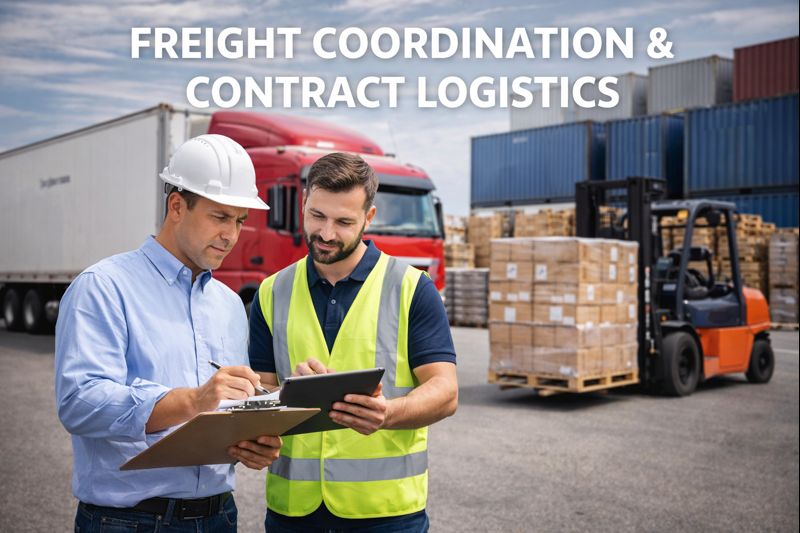
Freight coordination plays a central role in successful logistics operations, particularly for international cargo. Without proper coordination, shipments are more likely to encounter delays, misalignment, or unexpected costs. Freight coordination involves aligning multiple moving parts. These include shipment schedules, handling arrangements, transport capacity, and delivery planning. When these elements are not aligned, delays become more likely. One common issue is poor sequencing. Cargo may arrive before domestic transport is ready, or documentation may lag behind physical movement. These gaps create friction in the supply chain. Effective freight coordination focuses on planning before movement begins. This means confirming timelines, understanding dependencies, and ensuring that each stage of the process is prepared in advance. For Africa–UK shipments, this is particularly important due to the distance involved and the number of parties typically engaged along the route. At Nadola Enterprises Travel and Logistics, freight coordination is treated as an active process rather than a passive task. By maintaining clear oversight and communication, we help reduce avoidable delays and support smoother cargo movement.

Uncategorized

Understanding Africa–UK Food Cargo Logistics: What Importers Should Know

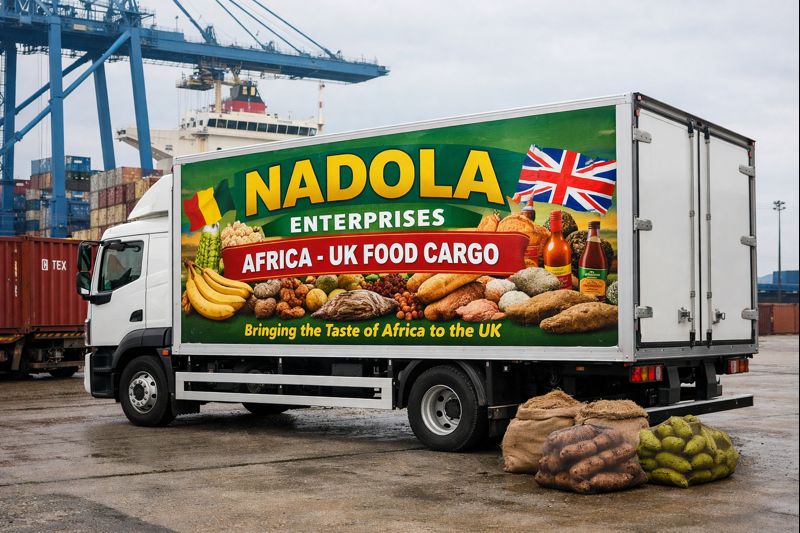
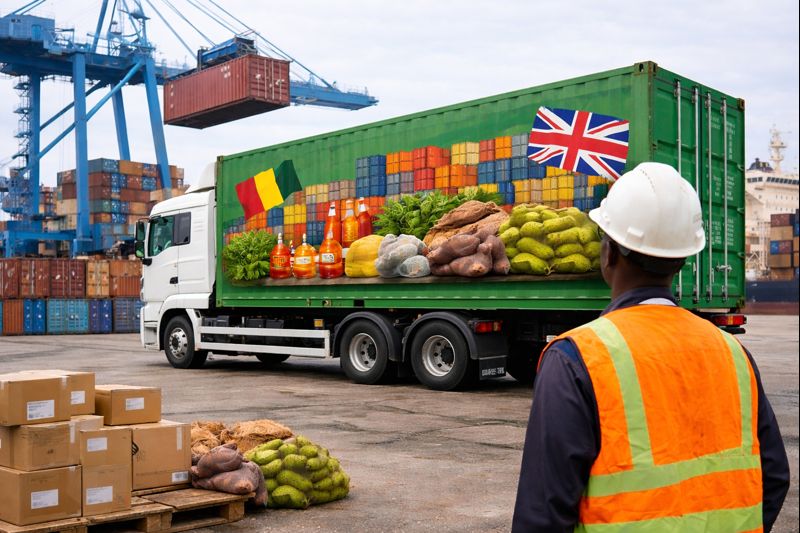
Moving food cargo from Africa to the United Kingdom requires more than booking transport. It involves planning, coordination, and an understanding of how different stages of the logistics chain connect. For importers, the most common challenges arise from timing, documentation flow, and onward distribution once cargo arrives in the UK. Africa–UK food cargo logistics often begins with coordination at origin. Export readiness, packaging, and shipment scheduling all affect how smoothly cargo moves through transit. Delays at this stage can have knock-on effects later in the process. Once cargo is in transit, clear coordination becomes essential. Importers benefit from having visibility over shipment movement and realistic expectations about arrival windows rather than fixed assumptions. On arrival in the UK, the focus shifts to domestic transport and distribution. This stage is often underestimated. Without a clear plan for UK delivery, even well-coordinated shipments can experience avoidable delays. At Nadola Enterprises Travel and Logistics, we support importers by coordinating each stage of the logistics process with clarity. Our role is not to replace regulatory bodies, but to ensure that logistics arrangements are planned with awareness of how the system operates. For businesses importing food cargo from Africa, the key is preparation, communication, and working with logistics partners who understand the trade route.

Scroll to Top